Vatican City - At 10.15 a.m., on the parvis of St Peter’s Basilica, Leo XIV presided over the solemn Mass of Easter Day. St Peter’s Square, as tradition dictates, was adorned with the flowers once again offered this year by Dutch flower growers, helping to give the celebration the joyful character of the feast. The liturgy opened with the rite of the Resurrexit and gathered Roman faithful and pilgrims who had come from many parts of the world to experience in Rome the heart of the liturgical year.
The celebration, opened by the proclamation of the Resurrection, marked by the veneration of the risen Lord, the sprinkling with blessed water and the singing of the alleluia spreading like a single breath throughout St Peter’s Square, was marked by particular intensity. What made it more moving still was the fact that this was the first Easter presided over by Leo XIV since his election. In that square there was the joy proper to Easter, but there was also something deeper: the awareness that the Christian proclamation always enters into a wounded history. It was precisely here that Leo XIV chose to begin his reflection after the Gospel. His words held together light and burden, joy and weariness, Christ’s victory and the concrete experience of men and women who often feel crushed by sin, disappointment, loneliness, exhaustion, rejection and daily suffering.
When the Pope said that “Today all of creation is resplendent with new light” and that “Christ is risen from the dead, and with him, we too rise to new life!”, he reminded all of us that Easter touches the very centre of human existence. It touches the way we look at our fragility, our past, the wounds we carry within us and even the fear of death. The Resurrection, in this perspective, is not a consoling memory preserved by religion; it is the fact that changes the meaning of life and the destiny of history. Prevost’s homily had the strength to name with precision what many people carry in their hearts and are often unable to express. Leo XIV spoke of the “weight of our sins”, of hopes drained by disappointment, of resentments that suffocate the joy of living, of that tunnel into which a person sometimes feels they have fallen, with no way out in sight. These are words that take the human condition seriously. In this homily, Easter faith is proposed as a passage through the drama. The Pope then widened his gaze beyond personal suffering and turned it towards the wounds of the world. Death, he recalled, is also at work in injustices, in selfishness, in the oppression of the poor, in the violence that devastates peoples, in the idolatry of profit that consumes the earth’s resources.
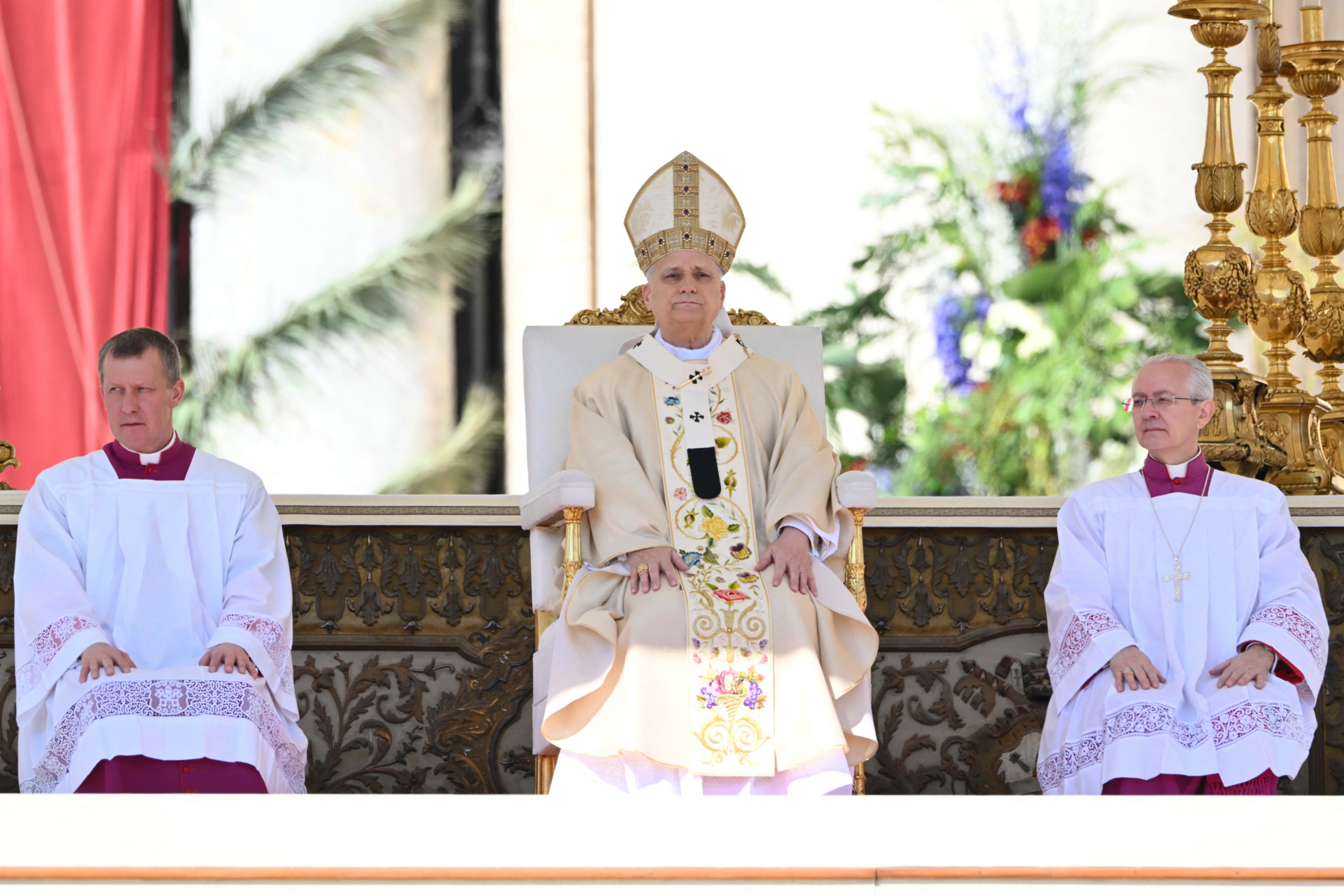
During the Prayer of the Faithful, we entrusted to the Lord the Church, the neophytes baptised during the previous night, peoples wounded by war, those burdened by poverty and the dead. Easter does not sweep evil away with a sudden gesture, but it deprives evil of its claim to be final. Leo XIV spoke of “cracks of resurrection” opening up in the darkness of history. It is an image of great force, because it looks reality in the face without taking refuge in easy consolations. It speaks of a light that finds its way precisely where everything seemed closed, and of a hope reborn where we had lost all hope.
The Resurrection, Leo XIV then recalled, quoting his predecessor, “is not an event of the past; it contains a vital power which has permeated this world.” It is an important reminder, also ecclesially. The Pope entrusted us with a responsibility: to become witnesses to Easter in the streets of the world, like Mary Magdalene and like the Apostles who ran to the tomb.
It is the liturgy itself which, in all its richness, insists on this dynamism. The readings we heard spoke to us of Peter’s witness to the Risen Lord, Paul’s invitation to seek the things that are above, and John’s Gospel with the run to the tomb still enveloped in the darkness of the morning. The Easter Sequence gave voice to the great duel between death and life, while in the Collect we asked God to make us “rise up in the light of life.” Everything in the celebration converged towards a single certainty: Easter is the beginning of a new creation. At the end of Holy Mass, the Holy Father went up to the loggia of St Peter’s Basilica for the Urbi et Orbi blessing.
fr.M.C.
Silere non possum